
Why Professional Auto Glass Replacement is Critical for Vehicle Safety
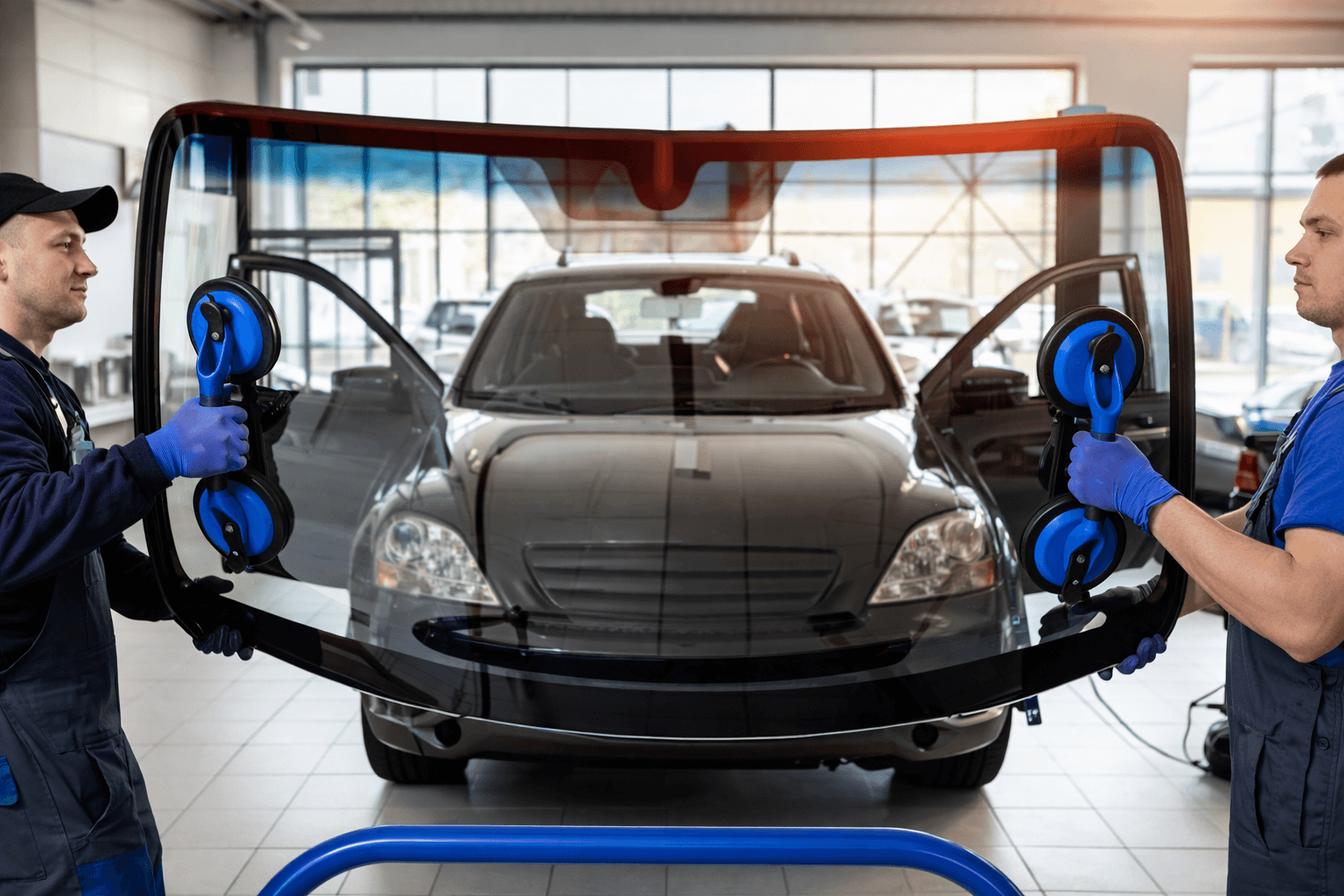
Why Professional Auto Glass Replacement is Critical for Your Vehicle’s Safety
Most drivers don't think twice about their windshield until something goes wrong. You’re cruising down the highway, and suddenly, crack. A tiny stone kicks up from the road, and now you’re staring at a jagged blemish in your line of sight. While it’s tempting to brush it off as a cosmetic annoyance, your car’s glass is actually a high-tech safety shield. Whether it’s a minor chip or a long fracture caused by the heat, the glass is a structural pillar of your car.
At Safelide, we’ve seen how quickly a small nick can turn into a dangerous situation. A clear view is obviously important, but the real magic happens in the bond between the glass and the vehicle frame. If that bond is compromised, your car’s entire safety net starts to unravel.
The Hidden Job of Your Windshield
It’s a common misconception that car glass is just there to keep the wind out of your face. In modern automotive engineering, the front glass provides a massive amount of structural integrity up to 60% in the event of a rollover accident. It’s what keeps the roof from crushing the cabin.
Beyond that, the windshield acts as a backstop for your passenger-side airbag. If the glass isn’t installed perfectly, or if it’s already cracked, the force of an airbag deployment can actually blow the glass right out of the frame. When that happens, the airbag has nothing to push against, leaving the passenger unprotected. This is why an auto glass replacement is a serious structural restoration, not just a simple fix. We use high-grade polymers and factory-spec materials to make sure your car remains as safe as the day it was built.
The Danger of Procrastinating on Repairs
Cracks don't just stay still; they grow. Glass is a "living" material in the sense that it reacts to everything around it. If you wait too long to fix a chip, you're essentially waiting for a bigger bill and a bigger risk.
- Thermal Shock: Think about a freezing winter morning. You jump in the car and crank the defroster to maximum. That sudden blast of heat against freezing glass causes rapid expansion. If there's a chip, that expansion will force it to "run" across the entire dashboard.
- Vibration and Pressure: Every time you hit a pothole or slam your car door, you’re sending a shockwave through the glass. Eventually, the pressure becomes too much for a weakened windshield to handle.
- Contamination: Rain, road salt, and dirt eventually get inside the crack. Once that happens, the glass can’t be repaired with simple resin anymore. At that point, a full auto glass replacement becomes your only safe option.
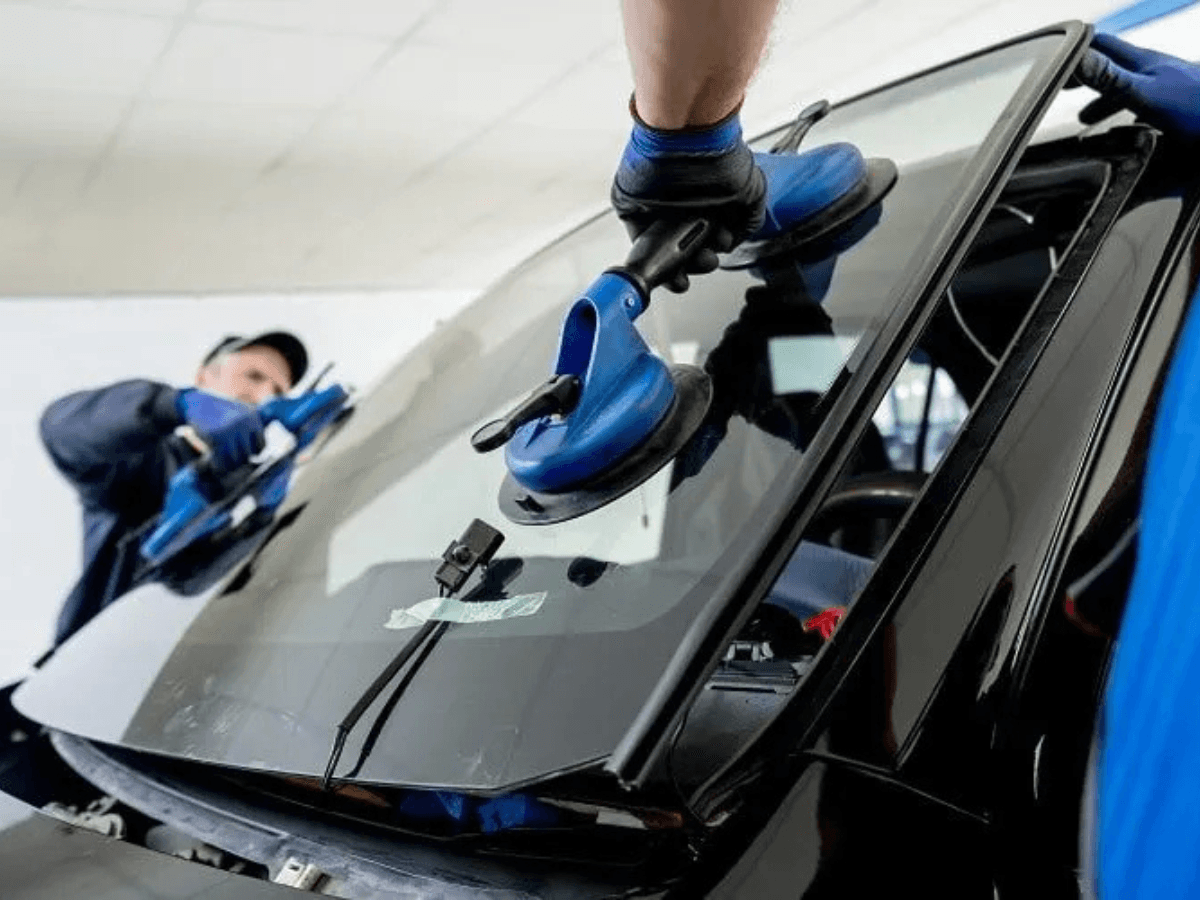
What Actually Happens During a Professional Installation?
Many people think you just "pop" the old glass out and "glue" a new one in. It’s much more technical than that. A professional technician has to follow a very specific chemistry-based protocol to ensure the seal never fails.
First, the preparation has to be flawless. We use specialized tools to remove the old glass without scratching the "pinch weld" (the metal frame). If that metal gets scratched and isn't treated, it will rust underneath the glass where you can’t see it. Over time, that rust will cause the seal to leak or, worse, cause the glass to detach during an accident.
Then comes the adhesive. This isn't just glue; it’s a high-modulus structural urethane. It’s designed to withstand thousands of pounds of pressure. Finally, if you drive a newer car, there’s the issue of ADAS (Advanced Driver Assistance Systems). Those cameras behind your rearview mirror—the ones that help you stay in your lane or brake automatically—need to be perfectly recalibrated after the glass is changed. Without this step, your safety tech might actually malfunction.
Quality: OEM vs. Aftermarket
When you call around for quotes, you’ll hear a lot about OEM (Original Equipment Manufacturer) glass. This is the gold standard. It’s made by the same company that provided the glass when the car was brand new. It’s guaranteed to have the right thickness, the right curve, and the right tint.
While some "bargain" shops use cheap aftermarket glass, Safelide prioritizes materials that meet Federal Motor Vehicle Safety Standards. Using the right glass means you won’t have to deal with annoying wind whistles, water leaks, or distorted views while you’re driving at night.
Taking Care of Your New Glass
The first 48 hours after a replacement are the most important. The adhesive needs time to "cure" and become part of the car's structure. Here’s how to protect it:
Crack a Window: If you slam your car door with all the windows up, the sudden pressure can actually push the new glass out of the frame before the seal is dry. Leave a window open just an inch to let the air escape.
No Car Washes: Skip the high-pressure car wash for at least two days. The chemicals and the water jets can mess with the curing process of the urethane.
Keep the Tape On: That blue tape might look a bit ugly, but it’s there to keep the glass from shifting while the seal sets. Leave it on for at least 24 hours.
Final Thoughts
Your car is one of the most important investments you’ll ever make, and your safety is priceless. Don't ignore that little chip in your peripheral vision. By choosing a professional team and high-quality materials, you’re ensuring that your vehicle remains a safe sanctuary for you and your family.
Kyler Steele
Auto Glass Expert